CienciaySaludNatural.com

Aluminum Adjuvants, Autoimmunity, and Autism Spectrum Disorder: A Comprehensive Mechanistic, Neuropathological, and Legal Analysis Authors: Brian Hooker PhD*, James Neuenschwander MD, Karl Jablonowski PhD, Martha Herbert MD PhD, Heather Ray, Martin Roberts, Clayton Baker MD, Christopher Shaw PhD *Corresponding author, brian.hooker@childrenshealthdefense.org, 509-366-2269 – CienciaySaludNatural.com
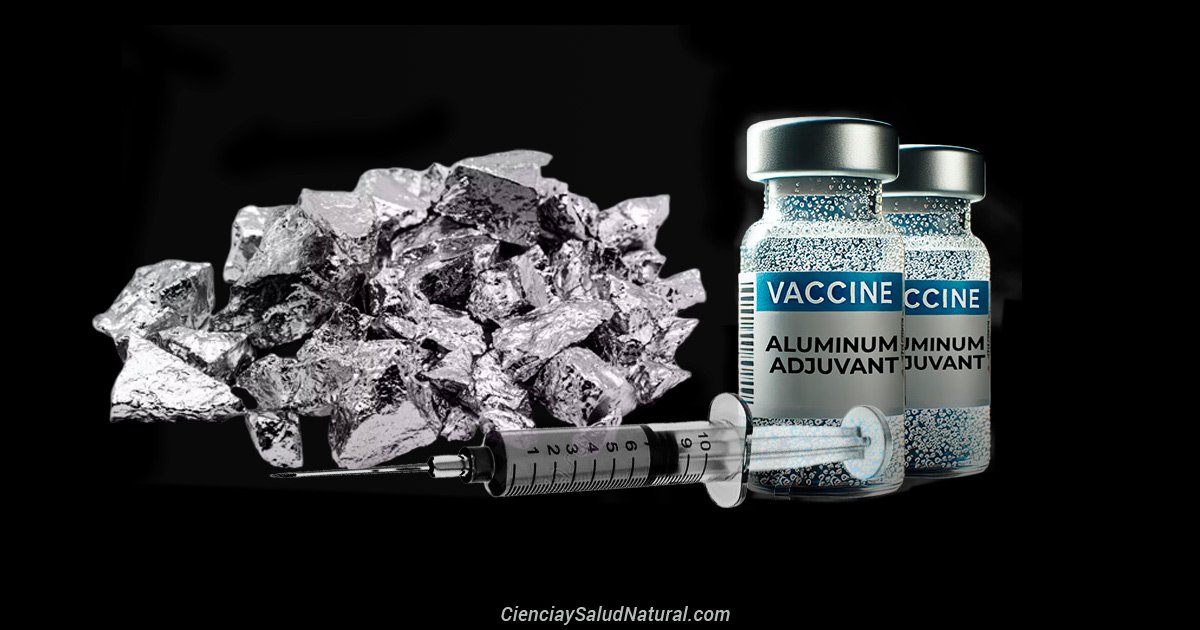
Resumen de lo que este estudio sugiere sobre los adjuvantes de aluminio y su relación con el autismo y otros daños neurológicos.
¿Qué es un adyuvante de aluminio?
Cuando fabrican una vacuna, a veces añaden pequeñas partículas de aluminio (normalmente hidróxido o fosfato de aluminio).
El motivo oficial es que el aluminio “estimula” al sistema inmunológico, ayudando a que el cuerpo produzca anticuerpos contra el virus o bacteria de la vacuna. El aluminio no es el principio activo, sino un potenciador de la respuesta inmune.
¿Qué encontró este estudio?
- El aumento del autismo y el aumento del calendario de vacunas siguen curvas parecidas desde 1960 hasta ahora.
- En los años 60, los niños recibían 3 dosis antes de los 2 años.
- Hoy reciben cerca de 28 dosis con aluminio en la mayoría de ellas.
- Ellos encuentran una correlación estadística fuerte entre la cantidad de vacunas con aluminio y el incremento del autismo.
- El aluminio no ha sido probado específicamente por neurotoxicidad (daños al cerebro).
- Se asumía que era inofensivo porque se usa desde hace décadas.
- Pero hoy sabemos que las partículas de aluminio no se eliminan fácilmente del cuerpo, pueden viajar dentro de glóbulos blancos y llegar al cerebro.
- En el cerebro, ese aluminio puede:
- Activar un sistema inflamatorio interno llamado NLRP3 inflammasoma —una especie de “alarma” biológica.
- Esa alarma libera IL‑1β y otras moléculas que generan inflamación crónica.
- Esa inflamación daña:
- Las neuronas (por exceso de glutamato, una sustancia excitadora).
- Las células gliales que cuidan al cerebro.
- Las conexiones entre neuronas (sinapsis), provocando el caos eléctrico que se ve en el autismo y en trastornos neurológicos.
- Según los autores, los niños con ciertas variantes genéticas (por ejemplo en los genes MTHFR, HLA‑DR4 o GST) no pueden eliminar bien el aluminio, ni controlar esa inflamación.
- Es decir, que el aluminio podría dañar selectivamente a los que tienen vulnerabilidades biológicas específicas.
- También describen que el sistema inmunológico de esos niños puede confundirse y atacar su propio cerebro, lo que se llama autoinmunidad.
- El aluminio actúa como un “interruptor” que provoca ese ataque.
- El estudio concluye que todas las pruebas (mecánicas, genéticas, biológicas y epidemiológicas) juntas cumplen los llamados criterios de Bradford Hill para decir que podría existir una relación causal entre el aluminio adyuvante y el autismo en personas susceptibles.
Peligro que advierten
- El aluminio de las vacunas puede permanecer mucho tiempo en el cuerpo, especialmente en el cerebro.
- Puede causar inflamación prolongada.
- Esa inflamación podría alterar el desarrollo cerebral temprano si ocurre entre los 3 meses y 3 años de edad —precisamente cuando más vacunas se aplican.
- Los niños con genes que reducen su capacidad de desintoxicación, o con metabolismo alterado (como MTHFR o HLA-DR4) estarían en mayor riesgo.
- Los autores creen que este proceso podría explicar la epidemia moderna de autismo, que no se puede justificar sólo con factores genéticos o cambios en el diagnóstico.
Circunstancias que permiten que esto ocurra
- Desde 1986, las farmacéuticas no pueden ser demandadas por daños causados por vacunas (están protegidas por ley).
- Esto ha quitado incentivos para investigar a fondo posibles efectos adversos.
- Las agencias reguladoras nunca exigieron pruebas completas de neurotoxicidad para el aluminio, algo que sí se exige a los medicamentos normales.
Los autores afirman que el aluminio de las vacunas puede encender una inflamación autoinmune en el cerebro de algunos niños, causando daños que terminan expresándose como autismo. No dicen que ocurra en todos, sino en los «susceptibles».
El peligro no se presenta inmediatamente (fiebre, llanto, etc.) sino crónico y silencioso, se desarrollaría poco a poco conforme ese aluminio se acumula y altera el desarrollo cerebral.
Que se puede hacer al respecto
- Infórmate: pide los lotes de vacunas y lee los componentes en los prospectos.
- Cuida la desintoxicación natural del cuerpo (glutatión, selenio, zinc, buena nutrición).
- Trata de evitar múltiples vacunas en la misma cita si te lo permiten.
- Consulta a un médico realmente independiente, no a alguien que repita guiones institucionales.
- Nunca uses acetaminofén (paracetamol) después de vacunar —según varios investigadores, eso puede empeorar el daño oxidativo.

Este compendio de estudios de expertos, contiene la suficiente evidencia para que los padres puedan presentar a sus médicos y abogados y prevenir que su hijos sean intoxicados con vacunas o inyecciones génicas que no tienen los suficientes estudios de seguridad como corresponde. Tambien sirve para educar a los médicos sin pensamiento crítico. Click aqui para descargar este compendio
Cómo el aluminio adyuvante puede dañar el cerebro (explicado simple)
1️⃣ Inyección
- Se aplica una vacuna con adyuvante de aluminio (por ej. DTP, Hepatitis B, etc.).
- El aluminio no es el antígeno del virus, sino el “activador” del sistema inmune.
➡ Objetivo declarado: provocar una respuesta de defensa más fuerte.
➡ Problema ignorado: el aluminio no se queda en el brazo ni se elimina del todo.
2️⃣ Entrada al cuerpo
- El aluminio no se disuelve del todo; son partículas microscópicas sólidas.
- Células del sistema inmune (macrófagos) las engullen pensando que son bacterias. Esta se irrita, e “informa” al cuerpo de una amenaza.
3️⃣ El viaje del aluminio
- Esos macrófagos circulan por el cuerpo y pueden atravesar la barrera hematoencefálica (la “muralla” que debería proteger al cerebro).
- A veces lo hacen usando un “mecanismo del caballo de Troya”: el aluminio viaja dentro de las células como pasajero.
Resultado: el aluminio se acumula en el cerebro y puede permanecer allí meses o años.
4️⃣ La alarma inflamatoria (NLRP3)
Cuando las células del cerebro (microglía y astrocitos) detectan esas partículas:
- Activan el “inflamasoma” NLRP3 (la central de alarma molecular).
- Liberan IL‑1β, IL‑6, TNF‑α → son citocinas, mensajeros de inflamación.
- Se rompe el equilibrio entre defensa e inflamación.
El cerebro entra en un estado inflamatorio crónico.
5️⃣ Daño y confusión inmunológica
- Esa inflamación abre pequeños huecos en la barrera hematoencefálica (BBB).
- Ahora entran linfocitos T del sistema inmune al cerebro.
- Algunos de ellos, por molecular mimicry (mimetismo molecular), confunden proteínas del cerebro con antígenos de vacunas y las atacan.
💥 Resultado:
Autoinmunidad cerebral → el cuerpo ataca sus propias células nerviosas (astrocitos, sinapsis).
6️⃣ Daño a las conexiones neuronales
Las células gliales que limpian el exceso de glutamato mueren o dejan de funcionar.
Esto provoca exceso de excitación eléctrica (excitotoxicidad) → muerte de neuronas y problemas en la comunicación cerebral.
Afecta:
- Lenguaje y comunicación.
- Interacción social.
- Coordinación motora.
- Regulación emocional y sensorial.
7️⃣ Vulnerabilidad genética
No todos los niños reaccionan igual:
- MTHFR C677T / A1298C: menos capacidad para fabricar glutatión → menos defensa antioxidante.
- HLA‑DR4: respuesta inmune más agresiva.
- GST variaciones: peor eliminación de metales.
➡ En ellos, el aluminio se acumula y la inflamación persiste.
8️⃣ Momento crítico
- El mayor número de vacunas se da entre los 3 meses y los 3 años.
- Esa edad coincide exactamente con el período en que:
- El cerebro forma millones de nuevas conexiones (sinapsis).
- Se produce la mielinización de los nervios.
- Ocurre la poda sináptica (el cerebro “pule” sus circuitos).
🔥 Una inflamación en esa etapa puede reprogramar el desarrollo cerebral.
9️⃣ Resultado final (para algunos individuos)
- Conexiones neuronales mal podadas → exceso o falta de sinapsis.
- Inflamación crónica → glía activada permanentemente.
- Desbalance químico → excitotoxicidad.
⚠️ Manifestación:
Trastornos del espectro autista (ASD) o condiciones neuroinmunes similares.
Conclusión general
Los autores del estudio dicen que el aluminio actúa como un inflamador dentro del cerebro en desarrollo.
Y en niños con mecanismos de detoxificación débiles, la inflamación persiste durante años, alterando la arquitectura cerebral y dando lugar a los síntomas de autismo.
La seguridad de las vacunas contra la hepatitis B que se administran a los recién nacidos no se ha probado en un solo ensayo clínico controlado aleatorio con placebo inerte como se manifiesta en los propios prospectos y tiene sobredosis de aluminio neurotóxico. Este compendio de estudios de expertos, contiene la suficiente evidencia para que los padres puedan presentar a sus médicos y abogados y prevenir que su hijos sean intoxicados con vacunas que no tienen los suficientes estudios de seguridad como corresponde. Tambien sirve para educar a los médicos sin pensamiento crítico. Descargar libro click aqui
| Etapa | Qué ocurre | Consecuencia |
|---|---|---|
| Vacunación | Ingreso de partículas de aluminio | Activación inmunológica |
| Migración | Macrófagos las llevan al cerebro | Acumulación lenta |
| Inflamasoma | Se enciende la alarma IL‑1β/IL‑6/TNF | Neuroinflamación |
| Autoinmunidad | Linfocitos atacan el cerebro | Daño glial y sináptico |
| Neurodesarrollo | Ocurre en etapa crítica | Autismo/regresión |
Ver mas estudios sobre el aluminio en las vacunas click en los siguientes enlaces:
- Introducción
- Neurotoxicidad del aluminio bien documentada
- Aluminio y enfermedad de Alzheimer
- Encefalopatía por diálisis
- Otras enfermedades neuropsiquiátricas y neurodegenerativas
- Controversias y argumentos de confusión
- El aluminio causa autoinmunidad
- Niveles permisibles para un bebe
- Niveles permisibles actualizacion de la FDA
- La farmacodinámica efectos bioquímicos y fisiológicos, mecanismos
- Sobre que es el adyuvante
- ASIA Síndrome autoinmune inflamatorio inducido por adyuvantes
- El aluminio no deberían usarse como placebos en ensayos clínicos
- La vacunación postnatal afecta el desarrollo cerebral en un modelo animal
- Las vacunas se administran Durante Synaptogenesis
- Niños más vulnerables
- Adyuvantes de aluminio: neurotóxicos a dosis de vacuna
- Aluminio inyectado Vs. Aluminio ingerido
- ¿Cuánto aluminio inyectado no es seguro?
- ¿Cuánto aluminio contienen las vacunas?
- Pruebas científicas los adyuvantes de aluminio causan efectos neurológicos adversos
- El adyuvante de aluminio puede ser transportado a todo el cuerpo
- Los adyuvantes de aluminio pueden ser transportados al cerebro por los macrófagos
- El Aluminio induce la expreción IL-6 (Interleucina-6) en el cerebro
- El documento de la FDA sobre la seguridad tiene un error matemático crucial
- Otros Errores básicos
- CDC no investiga la toxicidad de lo adyuvantes de aluminio
- Conclusión sobre el estudio de Mitkus 2011
- ¿Es segura la exposición al aluminio de las vacunas?
- Estudio de seguridad hecho en sólo 3 conejos
Descargar desde https://red.cienciaysaludnatural.com/
Este documento contiene la suficiente evidencia científica (más de 50) para que las madres puedan presentar a sus médicos y abogados y prevenir sus hijas e hijos sean dañados con vacunas que no tienen los suficientes estudios de seguridad como corresponde. Tambien sirve para educar a los médicos sin pensamiento crítico. No espere hasta último momento para estar protegida… descargar desde: https://cienciaysaludnatural.com/recursos
Referencias
- Abdolmaleky HM, Martin M, Zho JR., Thiagalingam, S. (2023). Epigenetic Alterations of Brain Non-Neuronal Cells in Major Mental Diseases. Genes, 14(4), 896. Doi:10.3390/genes14040896.
- Abraham, J. (2002). The pharmaceutical industry as a political player. Lancet. Doi:10.1016/S0140-6736(02)11477-2.
- Alyautdin RN, Petrov VE, Langer K, Berthold A, Kharkevich DA, Kreuter J. (1997). Delivery of loperamide across the blood-brain barrier with polysorbate 80-coated polybutylcyanoacrylate nanoparticles. Pharmaceutical Research 14(3), 325-8. Doi:10.1023/a:1012098005098.
- Ameis SH, Lerch JP, Taylor MJ, Lee W, et al. (2016). A diffusion tensor imaging studyin children with ADHD, autism spectrum disorder, OCD, and matched controls: Distinct and non-distinct white matter disruption and dimensional brain-behavior relationships. American Journal of Psychiatry 173(12), 1213-1222. Doi:10.1176/appi.ajp.2016.15111435.
- American Psychiatric Association. (1980). Diagnostic and statistical manual of mental disorders (3rd ed.). https://www.terapiacognitiva.eu/dwl/dsm5/DSM-III.pdf
- American Psychiatric Association. (1994). Diagnostic and statistical manual of mental disorders (4th ed.). https://img3.reoveme.com/m/2ab8dabd068b16a5.pdf
- American Psychiatric Association. (2013). Diagnostic and statistical manual of mental disorders (5th ed.). https://www.medialook.al/wp-content/uploads/2020/03/DSM-5-By-American-Psychiatric-Association.pdf
- Anashkina AA, Erlykina E I. (2021). Molecular Mechanisms of Aberrant Neuroplasticity in Autism Spectrum Disorders (Review). Sovremennye tekhnologii v Meditsine 13(1), 78–91. Doi: 10.17691/stm2021.13.1.10.
- Angrand L, Gherardi RK, Crépeaux G. (2025). Regulatory limits of aluminium content of vaccines have not been set based on toxicological studies. Environmental Toxicology and Pharmacology 119, 104812. Doi:10.1016/j.etap.2025.104812.
- Angrand L, Masson JD, Rubio-Casillas A, Nosten-Bertrand M, Crépeaux G. (2022). Inflammation and Autophagy: A Convergent Point between Autism Spectrum Disorder (ASD)-Related Genetic and Environmental Factors: Focus on Aluminum Adjuvants. Toxics 10(9), 518. Doi:10.3390/toxics10090518.
- Araszkiewicz AF, Jańczak K, Wójcik P, Białecki B, et al. (2025). MTHFR Gene Polymorphisms: A Single Gene with Wide-Ranging Clinical Implications—A Review. Genes16(4), 441–1. Doi:10.3390/genes16040441.
- Argaw AT, Asp L, Zhang J, Navrazhina K, et al. (2012). Astrocyte-derived VEGF-A drives blood-brain barrier disruption in CNS inflammatory disease. The Journal of Clinical Investigation 122(7), 2454–2468. Doi:10.1172/JCI60842.
- Argaw AT, Zhang Y, Snyder BJ, Zhao ML, Kopp N, Lee SC, Raine CS, Brosnan CF, John GR. (2006). IL-1beta regulates blood-brain barrier permeability via reactivation of the hypoxia-angiogenesis program. Journal of Immunology (Baltimore, Md.:1950) 177(8), 5574–5584. Doi:10.4049/jimmunol.177.8.5574.
- Arumugham, V. (2017). Safety studies of aluminum in vaccines lack immunotoxicity analysis of this immunological adjuvant: Ignorance or deception? Zenodo. Doi:10.5281/zenodo.1117242.
- Ashwood P, Krakowiak P, Hertz-Picciotto I, Hansen R, et al. (2011). Elevated plasma cytokines in autism spectrum disorders provide evidence of immune dysfunction and are associated with impaired behavioral outcome. Brain, Behavior, and Immunity 25(1), 40–45. Doi:10.1016/j.bbi.2010.08.003.
- Atladóttir HÓ, Henriksen TB, Schendel DE, Parner ET. (2012). Autism after infection, febrile episodes, and antibiotic use during pregnancy: an exploratory study. Pediatrics, 130(6), e1447– e1454. Doi:10.1542/peds.2012-1107.
- Bai D, Yip BHK, Windham, GC, Sourander A, et al. (2019). Association of Genetic and Environmental Factors With Autism in a 5-Country Cohort. JAMA Psychiatry 76(10), 1035– 1043. Doi:10.1001/jamapsychiatry.2019.1411.
- Bairwa SC, Shaw CA, Kuo M, Yoo J, Tomljenovic L, Eidi H. (2021). Cytokines profile in neonatal and adult wild-type mice post-injection of the U.S. pediatric vaccination schedule. Brain, Behavior, & Immunity – Health 15, 100267. Doi:10.1016/j.bbih.2021.100267.
- Baldwin GS, Carnegie PR. (1971). Specific enzymic methylation of an arginine in the experimental allergic encephalomyelitis protein from human myelin. Science (New York, N.Y.), 171(3971), 579–581. Doi:10.1126/science.171.3971.579.
- Barger BD, Campbell JM, McDonough JD. (2013). Prevalence and onset of regression within autism spectrum disorders: a meta-analytic review. Journal of Autism and Developmental Disorders 43(4), 817–828. Doi:10.1007/s10803-012-1621-x.
- Bayer SA, Altman J, Russo RJ, Zhang X. (1993). Timetables of neurogenesis in the human brain based on experimentally determined patterns in the rat. Neurotoxicology 14(1), 83–144. https://neurondevelopment.org/wp-content/uploads/2023/10/Bayer-et-al-Neurotox-14-1993.pdf.
- Baylor NW, Egan W, Richman P. (2002). Aluminum salts in vaccines–US perspective. Vaccine, 20 Suppl 3, S18–S23. Doi:10.1016/s0264-410x(02)00166-4.
- Besag F. (2017). Epilepsy in patients with autism: Links, risks and treatment challenges. Neuropsychiatric Disease and Treatment, 14(14),1–10. Doi:10.2147/NDT.S120509.
- Blank M, Barzilai O, Shoenfeld Y. (2007). Molecular mimicry and auto-immunity. Clinical Reviews in Allergy & Immunology 32(1), 111–118. Doi:10.1007/BF02686087.
- Blaylock R. (2015). Additive aluminum as a cause of induced immunoexcitoxicity resulting in neurodevelopmental and neurodegenerative disorders: A biochemical, pathophysiological, and pharmacological analysis. Surgical Neurology International. Doi:10.25259/SNI_296_2024.
- Blaylock RL. (2024). Additive aluminum as a cause of induced immunoexcitotoxicity resulting in neurodevelopmental and neurodegenerative disorders: A biochemical, pathophysiological, and pharmacological analysis. Surgical Neurology International 15, 171. Doi:10.25259/SNI_296_2024.
- Boat TF, Wu JT, editors. (2015). Prevalence of autism spectrum disorder. In Committee to Evaluate the Supplemental Security Income Disability Program for Children with Mental Disorders; Board on the Health of Select Populations; Board on Children, Youth, and Families; Institute of Medicine; National Academies of Sciences, Engineering, and Medicine (Eds.), Mental disorders and disabilities among low-income children (Chapter 14). National Academies Press (US). https://www.ncbi.nlm.nih.gov/books/NBK332896/.
- Bolton SJ, Anthony DC, Perry VH. (1998). Loss of the tight junction proteins occludin and zonula occludens-1 from cerebral vascular endothelium during neutrophil-induced blood-brain barrier breakdown in vivo. Neuroscience 86(4), 1245–1257. Doi:10.1016/s0306-4522(98)00058-x.
- Boretti A. (2021). Reviewing the association between aluminum adjuvants in the vaccines and autism spectrum disorder. Journal of Trace Elements in Medicine and Biology: Organ of the Society for Minerals and Trace Elements (GMS) 66, 126764. Doi:10.1016/j.jtemb.2021.126764.
- Boris M, Goldblatt A, Galanko J, James SJ. (2004). “Association of MTHFR gene variants with autism.” Journal of American Physicians and Surgeons 9(4),106. www.jpands.org/vol9no4/boris.pdf.
- Bourgeois JP, Rakic P. (1993). Changes of synaptic density in the primary visual cortex of the macaque monkey from fetal to adult stage. The Journal of Neuroscience: The Official Journal of the Society for Neuroscience 13(7), 2801–2820. Doi:10.1523/JNEUROSCI.13-07-02801.1993.
- Braunschweig D, Krakowiak P, Duncanson P, Boyce R, et al. (2013). Autism-specific maternal autoantibodies recognize critical proteins in developing brain. Translational Psychiatry 3(7), e277. Doi:10.1038/tp.2013.50.
- Brimberg L, Mader S, Jeganathan V, Berlin R, et al. (2016). Caspr2-reactive antibody cloned from a mother of an ASD child mediates an ASD-like phenotype in mice. Molecular Psychiatry 21(12), 1663–1671. Doi:10.1038/mp.2016.165.
- Bruesewitz v. Wyeth LLC, 562 U.S. 223 (2011). https://supreme.justia.com/cases/federal/us/562/223/.
- Buckland, R. (2024). The Buckland Review of Autism Employment: Report and recommendations. Department for Work and Pensions. https://www.gov.uk/government/publications/the-buckland-review-of-autism-employment-report-and-recommendations/the-buckland-review-of-autism-employment-report-and-recommendations. Buescher AVS, Cidav Z, Knapp M, Mandell DS. (2014). Costs of Autism Spectrum Disorders in the United Kingdom and the United States. JAMA Pediatrics, 168(8), 721. Doi:10.1001/jamapediatrics.2014.210.
- Buyske S, Williams TA, Mars AE, Stenroos ES, et al. (2006). Analysis of case-parent trios at a locus with a deletion allele: association of GSTM1 with autism. BMC Genetics 7, 8. Doi:10.1186/1471-2156-7-8.
- Cakir J, Frye RE, Walker SJ. (2020). The lifetime social cost of autism: 1990–2029. Research in Autism Spectrum Disorders (72), 101502. Doi:10.1016/j.rasd.2019.101502.
- Carpenter D, Moss DA. (2014). Introduction. In D. Carpenter & D. A. Moss (Eds.), Preventing regulatory capture: Special interest influence and how to limit it (pp. 1–22). Cambridge University Press. Doi:10.1017/CBO9781139565875.002.
- Centers for Disease Control and Prevention. (2025). Data and statistics on autism spectrum disorder. https://www.cdc.gov/autism/data-research/index.html.
- Choi GB, Yim YS, Wong H, et al. (2016). The maternal interleukin-17a pathway in mice promotes autism-like phenotypes in offspring. Science 351(6276), 933-939. Doi:10.1126/science.aad0314.
- Chung WS, Allen NJ, Eroglu C. (2015). Astrocytes Control Synapse Formation, Function, and Elimination. Cold Spring Harbor Perspectives in Biology 7(9). Doi:10.1101/cshperspect.a020370.
- Clark IA, Vissel B. (2016). Excess cerebral TNF causing glutamate excitotoxicity rationalizes treatment of neurodegenerative diseases and neurogenic pain by anti-TNF agents. Journal of Neuroinflammation 13, 236. Doi:10.1186/s12974-016-0708-2. Constituent materials, 21 C.F.R. § 610.15 (2025). https://www.ecfr.gov/current/title-21/part-610/section-610.15
- Crépeaux G, Eidi H, David MO, Baba-Amer Y, Tzavara E, Giros B, Authier FJ, Exley C, Shaw CA, Cadusseau J, Gherardi RK. (2017). Non-linear dose-response of aluminium hydroxide adjuvant particles: Selective low dose neurotoxicity. Toxicology, 375, 48–57. Doi:10.1016/j.tox.2016.11.018.
- Crépeaux G, Gherardi RK, Authier FJ. (2018). ASIA, chronic fatigue syndrome, and selective low dose neurotoxicity of aluminum adjuvants. The Journal of Allergy and Clinical Immunology. in Practice 6(2), 707. Doi:10.1016/j.jaip.2017.10.039.
- DeLong, G. (2011). A Positive Association found between Autism Prevalence and Childhood Vaccination uptake across the U.S. Population. Journal of Toxicology and Environmental Health, Part A, 74(14), 903–916.Doi:10.1080/15287394.2011.573736.
- Deoni SC, Dean DC 3rd, O’Muircheartaigh J, Dirks H, et al. (2012). Investigating white matter development in infancy and early childhood using myelin water faction and relaxation time mapping. NeuroImage 63(3), 1038–1053. Doi:10.1016/j.neuroimage.2012.07.037.
- Deoni SC, Mercure E, Blasi A , Gasston D, et al. (2011). Mapping infant brain myelination with magnetic resonance imaging. The Journal of Neuroscience: The Official Journal of the Society for Neuroscience 31(2), 784–791. Doi:10.1523/JNEUROSCI.2106-10.2011.
- Deoni SC, O’Muircheartaigh J, Elison JT, Walker L, et al. (2016). White matter maturation profiles through early childhood predict general cognitive ability. Brain Structure & Function, 221(2), 1189–1203. Doi:10.1007/s00429-014-0947-x.
- DiStasio MM, Nagakura I, Nadler MJ, Anderson MP. (2019). T lymphocytes and cytotoxic astrocyte blebs correlate across autism brains. Annals of Neurology 86(6), 885–98. Doi:10.1002/ana.25610.
- Edmonson C, Ziats MN, Rennert OM. (2014). Altered glial marker expression in autistic post-mortem prefrontal cortex and cerebellum. Molecular Autism 5(1), 3. Doi:10.1186/2040-2392-5-3.
- Eisenbarth SC, Colegio OR, O’Connor W, Sutterwala FS, et al. (2008). Crucial role for the Nalp3 inflammasome in the immunostimulatory properties of aluminium adjuvants. Nature 453(7198), 1122–1126. Doi:10.1038/nature06939.
- El-Ansary A, Al-Ayadhi L. (2014). GABAergic/glutamatergic imbalance relative to excessive neuroinflammation in autism spectrum disorders. Journal of Neuroinflammation 11, 189. Doi:10.1186/s12974-014-0189-0.
- Ellul P, Rosenzwajg M, Peyre H, Fourcade G, et al. (2021). Regulatory T lymphocytes/Th17 lymphocytes imbalance in autism spectrum disorders: evidence from a meta-analysis. Molecular Autism 12(1), 68. Doi:10.1186/s13229-021-00472-4.
- Enstrom AM, Onore CE, Van de Water JA, Ashwood P. (2010). Differential monocyte responses to TLR ligands in children with autism spectrum disorders. Brain, Behavior, and Immunity 24(1), 64–71. Doi:10.1016/j.bbi.2009.08.001.
- European Chemicals Agency. (2015). Guidance on information requirements and chemical safety assessment. Chapter R.7a: Endpoint specific guidance (Version 4.1). https://echa.europa.eu/documents/10162/17224/information_requirements_r7a_en.pdf.
- Fewtrell MS, Bishop NJ, Edmonds CJ, Isaacs EB, et al. (2009). Aluminum exposure from parenteral nutrition in preterm infants: bone health at 15-year follow-up. Pediatrics 124(5), 1372– 1379. Doi:10.1542/peds.2009-0783.
- Fischer I, Shohat S, Leichtmann-Bardoogo Y, Nayak R, et al. (2024). Shank3 mutation impairs glutamate signaling and myelination in ASD mouse model and human iPSC-derived OPCs. Science Advances 10(41), eadl4573. Doi:10.1126/sciadv.adl4573.
- Flarend RE, Hem SL, White JL, Elmore D, Suckow MA, Rudy AC, Dandashli EA. (1997). In vivo absorption of aluminium-containing vaccine adjuvants using 26Al. Vaccine 15(12-13), 1314-1318. Doi:10.1016/s0264-410x(97)00041-8.
- Franchi L, Eigenbrod T, Muñoz-Planillo R, Nuñez G. (2009). The inflammasome: a caspase-1-activation platform that regulates immune responses and disease pathogenesis. Nature Immunology 10(3), 241–7. Doi:10.1038/ni.1703.
- Franchi L, Núñez G. (2008). The Nlrp3 inflammasome is critical for aluminium hydroxide-mediated IL-1β secretion but dispensable for adjuvant activity. European Journal of Immunology 38(8), 2085–9. Doi:10.1002/eji.200838549.
- Frye RE, Rose S, Slattery J, MacFabe DF. (2015). Gastrointestinal dysfunction in autism spectrum disorder: the role of the mitochondria and the enteric microbiome. Microbial Ecology in Health and Disease 26, 27458. Doi:10.3402/mehd.v26.27458.
- Frye RE, Sequeira JM, Quadros EV, James SJ, et al. (2013). Cerebral folate receptor autoantibodies in autism spectrum disorder. Molecular Psychiatry 18(3), 369–38. Doi:10.1038/mp.2011.175.
- Ganz ML. (2007). The Lifetime Distribution of the Incremental Societal Costs of Autism. Archives of Pediatrics & Adolescent Medicine, 161(4), 343. Doi:10.1001/archpedi.161.4.343.
- Gao M, Mei D, Huo Y, Mao S. (2019). Effect of polysorbate 80 on the intranasal absorption and brain distribution of tetramethylpyrazine phosphate in rats. Drug Delivery and Translational Research, 9(1), 311–318. Doi:10.1007/s13346-018-0580-y.
- Garner J. (2022). The Control Group Pilot Study of Unvaccinated vs. Vaccinated Americans. International Journal of Vaccine Theory, Practice, and Research 3(1), 862-913. Doi:10.56098/ijvtpr.v3i1.45.
- Geier DA, Kern JK, Garver CR, Adams JB, Audhya T, Geier MR. (2009). A prospective study of transsulfuration biomarkers in autistic disorders. Neurochemical Research 34(2), 386–393. Doi:10.1007/s11064-008-9782-x.
- Gherardi RK, Eidi H, Crépeaux G, Authier FJ, Cadusseau J. (2015). Biopersistence and Brain Translocation of Aluminum Adjuvants of Vaccines. Frontiers in Neurology, 6, 4. Doi:10.3389/fneur.2015.00004.
- Girard S, Tremblay L, Lepage M, Sébire G. (2010). IL-1 receptor antagonist protects against placental and neurodevelopmental defects induced by maternal inflammation. Journal of Immunology (Baltimore, Md.:1950) 184(7), 3997–4005. Doi:10.4049/jimmunol.0903349.
- Goldman, GS, Cheng RZ. (2025). The Immature Infant Liver: Cytochrome P450 Enzymes and their Relevance to Vaccine Safety and SIDS Research. International Journal of Medical Sciences, 22(10), 2434-2445. Doi:10.7150/ijms.114402.
- Grandjean P, Landrigan PJ. (2014). Neurobehavioural effects of developmental toxicity. Lancet Neurology 13(3), 330‑8. Doi:10.1016/S1474-4422(13)70278-3.
- Grotheer M, Rosenke M, Wu H, Kular H, et al. (2022). White matter myelination during early infancy is linked to spatial gradients and myelin content at birth.Nature Communications 13(1), Doi:10.1038/s41467-022-28326-4.
- Gulyaev AE, Gelperina SE, Skidan IN, Antropov AS, Kivman GY, Kreuter J. (1999). Significant transport of doxorubicin into the brain with polysorbate 80-coated nanoparticles. Pharmaceutical Research 16(10), 1564-9. Doi:10.1023/a:1018983904537.
- Gunaydin M, Dogan O, Gunay F, Cikili-Uytun M, Celik-Buyukceran Ö, Oztop DB. (2025). Complement system dysfunction in autism spectrum disorder: evidence for altered C1q and C3 levels (complement system dysfunction in ASD). Acta Neuropsychiatrica 37, e64. Doi:10.1017/neu.2025.10017.
- Haroon E, Miller A, Sanacora, G. (2017). Inflammation, Glutamate, and Glia: A Trio of Trouble in Mood Disorders. Neuropsychopharmacology 42, 193–215. Doi:10.1038/npp.2016.199.
- Harte C, Gorman AL, McCluskey S, Carty M, et al. (2017). Alum Activates the Bovine NLRP3 Inflammasome. Frontiers in Immunology 8, 1494. Doi:10.3389/fimmu.2017.01494.
- Hassan AH, Salem AM, Shehab AA, El Hossiny RM. (2025). Diagnostic and severity correlation of serum zinc, copper, and anti-myelin basic protein antibodies in children with autism spectrum disorder: a cross-sectional controlled study. Egyptian Pediatric Association Gazette, 73. Doi:10.1186/s43054-025-00406-2.
- Henkart PA. (1985). Mechanism of lymphocyte-mediated cytotoxicity. Annual Review of Immunology 3, 31–58. Doi:10.1146/annurev.iy.03.040185.000335.
- Hill AB. (1965). The Environment and disease: Association or causation?Proceedings of the Royal Society of Medicine, 58(5), 295–300. Doi:10.1177/003591576505800503.
- HogenEsch, H. (2013). Mechanism of Immunopotentiation and Safety of Aluminum Adjuvants. Frontiers in Immunology, 3(406). Doi:10.3389/fimmu.2012.00406.
- Hooker BS, Miller NZ. (2020). Analysis of health outcomes in vaccinated and unvaccinated children: Developmental delays, asthma, ear infections and gastrointestinal disorders. SAGE Open Medicine 8. Doi:10.1177/2050312120925344.
- Hooker BS, Miller NZ. (2021). Health effects in vaccinated versus unvaccinated children, with covariates for breastfeeding status and type of birth. Journal of Translational Science 7(1),1-11. Doi:10.15761/JTS.1000459.
- Hornung V, Bauernfeind F, Halle A, Samstag E, Kono H, Rock K, Fitzgerald K, Latz E. (2008). «Silica crystals and aluminum salts activate the NALP3 inflammasome through phagosomal destabilization.» Nature Immunology 9(8), 847–856. Doi:10.1038/ni.1631.
- Horton, R. (2015). Offline: What is medicine’s 5 sigma?The Lancet 385(9976), 1380. Doi:10.1016/S0140-6736(15)60696-1.
- Hsiao EY, McBride SW, Chow J, Mazmanian SK, et al. (2012). Modeling an autism risk factor in mice leads to permanent immune dysregulation. Proceedings of the National Academy of Sciences of the United States of America 109(31), 12776–12781. Doi:10.1073/pnas.1202556109.
- Hsiao EY, Patterson PH. (2012). Placental regulation of maternal-fetal interactions and brain development. Developmental Neurobiology 72(10), 1317–1326. Doi:10.1002/dneu.22045.
- Huppert J, Closhen D, Croxford A, White R, et al. (2010). Cellular mechanisms of IL-17-induced blood-brain barrier disruption. FASEB Journal: Official Publication of the Federation of American Societies for Experimental Biology 24(4), 1023–1034. Doi:10.1096/fj.09-141978.
- Hutsler JJ, Zhang H. (2010). Increased dendritic spine densities on cortical projection neurons in autism spectrum disorders. Brain Research 1309, 83–94. Doi:10.1016/j.brainres.2009.09.120.
- Huttenlocher PR, Dabholkar AS. (1997). Regional differences in synaptogenesis in human cerebral cortex.The Journal of Comparative Neurology 387(2), 167–178. Doi: 10.1002/(sici)1096-9861(19971020)387:2<167::aid-cne1>3.0.co;2-z.
- Huynh W, Cordato DJ, Kehdi E, Masters LT, Dedousis C. (2008). Post-vaccination encephalomyelitis: literature review and illustrative case. Journal of Clinical Neuroscience 15(12), 1315–1322. Doi:10.1016/j.jocn.2008.05.002.
- Institute of Medicine (US) Committee on Review of Adverse Effects of Vaccines. (2012). Adverse Effects of Vaccines: Evidence and Causality. National Academies Press (US). https://www.nationalacademies.org/projects/PHPH-H-08-17-A.
- Institute of Medicine (US) Committee to Review Adverse Effects of Vaccines. (2012). Adverse Effects of Vaccines: Evidence and Causality. Washington (DC): National Academies Press. Summary. Available from: https://www.ncbi.nlm.nih.gov/books/NBK190010/ncbi.nlm.nih+1.
- Institute of Medicine (US) Committee on Review of Priorities in the National Vaccine Plan. (2010). 1986 National Childhood Vaccine Injury Act (Public Law 99-660). In Priorities for the National Vaccine Plan. National Academies Press (US). https://www.ncbi.nlm.nih.gov/books/NBK220067/.
- Ioannidis JPA. (2016). Why Most Clinical Research Is Not Useful. PLOS Medicine 13(6), e1002049. Doi:10.1371/journal.pmed.1002049.
- Jaldin‐Fincati JR, Moussaoui S, Gimenez MC, Ho CY, Lancaster CE, Botelho RJ, Lancaster CE, Botelho RJ, Ausar SF, Brookes RH, Terebiznik MR. (2022). Aluminum hydroxide adjuvant diverts the uptake and trafficking of genetically detoxified pertussis toxin to lysosomes in macrophages. Molecular Microbiology 117(5), 1173–95. Doi:10.1111/mmi.14900.
- James SJ, Cutler P, Melnyk S, Jernigan S, et al. (2004). Metabolic Biomarkers of Increased Oxidative Stress and Impaired Methylation Capacity in Children with Autism. The American Journal of Clinical Nutrition 80(6), 1611–7. Doi:10.1093/ajcn/80.6.1611.
- James SJ, Melnyk S, Jernigan S, Cleves MA, et al. (2006). Metabolic endophenotype and related genotypes are associated with oxidative stress in children with autism. American Journal of Medical Genetics. Part B, Neuropsychiatric Genetics: The Official Publication of the International Society of Psychiatric Genetics 141B(8), 947–956. Doi:10.1002/ajmg.b.30366.
- Janeway CA Jr, Travers P, Walport M, et al. Immunobiology: The Immune System in Health and Disease. 5th edition. New York: Garland Science; 2001. The complement system and innate immunity. https://www.ncbi.nlm.nih.gov/books/NBK27100/.
- Johnson WG, Buyske S, Mars AE, Sreenath M, Set al. (2009). HLA-DR4 as a risk allele for autism acting in mothers of probands possibly during pregnancy. Archives of Pediatrics & Adolescent Medicine 163(6), 542–546. Doi:10.1001/archpediatrics.2009.74.
- Jones JP III, Williamson L, Konsoula Z, Anderson R, et al. (2024). Evaluating the Role of Susceptibility Inducing Cofactors and of Acetaminophen in the Etiology of Autism Spectrum Disorder. Life 14(8), 918. Doi:10.3390/life14080918.
- Just MA, Keller TA, Malave VL, Kana RK, et al. (2012). Autism as a neural systems disorder: a theory of frontal-posterior underconnectivity. Neuroscience and Biobehavioral Reviews 36(4), 1292–1313. Doi:10.1016/j.neubiorev.2012.02.007.
- Kaur A, Jairath M, Kaur A. (2023). Heavy metals and genetic variations in folate metabolism pathway: A gene-environment interaction. Indian Journal of Public Health 67(3), 477–479. Doi:10.4103/ijph.ijph_445_22.
- Kebir H, Kreymborg K, Ifergan I, Dodelet-Devillers A, et al. (2007). Human TH17 lymphocytes promote blood-brain barrier disruption and central nervous system inflammation. Nature Medicine 13(10), 1173–1175. Doi:10.1038/nm1651.
- Keown CL, Shih P, Nair A, Peterson N, et al. (2013). Local functional overconnectivity in posterior brain regions is associated with symptom severity in autism spectrum disorders. Cell Reports 5(3), 567–572. Doi:10.1016/j.celrep.2013.10.003.
- Kern JK, Geier DA, Sykes LK, & Geier MR. (2016). Relevance of Neuroinflammation and Encephalitis in Autism. Frontiers in Cellular Neuroscience 9, 519. Doi:10.3389/fncel.2015.00519.
- Khan Z, Combadière C, Authier FJ, Itier V, Lux F, Exley C, Mahrouf-Yorgov M, Decrouy X, Moretto P, Tillement O, Gherardi RK, Cadusseau J. (2013). Slow CCL2-dependent translocation of biopersistent particles from muscle to brain. BMC Medicine, 11, 99. Doi:10.1186/1741-7015-11-99.
- Kim SR, Kim DI, Kim SH, Lee H, Lee KS, Cho SH, et al. (2014). NLRP3 inflammasome activation by mitochondrial ROS in bronchial epithelial cells is required for allergic inflammation. Cell Death & Disease 5(10), e1498–8. Doi:10.1038/cddis.2014.460.
- King M, Bearman P. (2009). Diagnostic change and the increased prevalence of autism. International Journal of Epidemiology 38(5), 1224–1234. Doi:10.1093/ije/dyp261.
- Kivity S, Agmon-Levin N, Blank M, Shoenfeld Y. (2009). Infections and autoimmunity – friends or foes? Trends in Immunology 30(8), 409–414. Doi:10.1016/j.it.2009.05.005.
- Kool M, Pétrilli V, De Smedt T, Rolaz A, et al. (2008). Cutting edge: alum adjuvant stimulates inflammatory dendritic cells through activation of the NALP3 inflammasome. Journal of Immunology (Baltimore, Md.: 1950) 181(6), 3755–3759. Doi:10.4049/jimmunol.181.6.3755.
- Korn T, Bettelli E, Oukka M, Kuchroo VK. (2009). IL-17 and Th17 Cells. Annual Review of Immunology 27, 485–517. Doi:10.1146/annurev.immunol.021908.132710.
- Korn T, Oukka M, Kuchroo V, Bettelli E. (2007). Th17 cells: effector T cells with inflammatory properties. Seminars in Immunology 19(6), 362–371. Doi:10.1016/j.smim.2007.10.007.
- Kreuter J, Ramge P, Petrov V, Hamm S, Gelperina, SE, Engelhardt B, Alyautdin R, von Briesen, H, Begley DJ. (2003). Direct evidence that polysorbate-80-coated poly(butylcyanoacrylate) nanoparticles deliver drugs to the CNS via specific mechanisms requiring prior binding of drug to the nanoparticles. Pharmaceutical Research 20(3), 409–416. Doi:10.1023/a:1022604120952.
- Lau A, Tymianski M. (2010). Glutamate receptors, neurotoxicity and neurodegeneration. Pflugers Arch – Eur J Physiol 460, 525–542. Doi:10.1007/s00424-010-0809-1.
- Lavelle TA, Weinstein MC, Newhouse JP, Munir K, Kuhlthau KA, Prosser LA. (2014). Economic Burden of Childhood Autism Spectrum Disorders. Pediatrics, 133(3), e520–9. Doi:10.1542/peds.2013-0763.
- Leigh JP, Du J. (2015). Brief Report: Forecasting the Economic Burden of Autism in 2015 and 2025 in the United States. Journal of Autism and Developmental Disorders, 45(12), 4135–9. Doi:10.1007/s10803-015-2521-7.
- Li B, Zhang X, Huo S, Zhang J, Du J, Xiao B, Song M, Shao B, Li Y. (2022). Aluminum activates NLRP3 inflammasome-mediated pyroptosis via reactive oxygen species to induce liver injury in mice. Chemico-Biological Interactions 368, 110229. Doi:10.1016/j.cbi.2022.110229.
- Li H, Willingham SB, Ting JPY, Re F. (2008). Cutting Edge: Inflammasome Activation by Alum and Alum’s Adjuvant Effect Are Mediated by NLRP3. The Journal of Immunology181(1), 17–21. Doi:10.4049/jimmunol.181.1.17.
- Li J, Zhang L, Chu Y, Namaka M, et al. (2016). Astrocytes in Oligodendrocyte Lineage Development and White Matter Pathology. Frontiers in Cellular Neuroscience 10, 119. Doi:10.3389/fncel.2016.00119.
- Li X, Chauhan A, Sheikh AM, Patil S, Chauhan V, Li XM, Ji L, Brown T, Malik M. (2009). Elevated immune response in the brain of autistic patients. Journal of Neuroimmunology 207(1-2), 111–116. Doi:10.1016/j.jneuroim.2008.12.002.
- Liao X, Liu Y, Fu X, Li Y. (2020). Postmortem Studies of Neuroinflammation in Autism Spectrum Disorder: a Systematic Review. Molecular Neurobiology 57(8), 3424–3438. Doi:10.1007/s12035-020-01976-5.
- Liddelow SA, Guttenplan KA, Clarke LE, Bennett FC, et al. (2017). Neurotoxic reactive astrocytes are induced by activated microglia. Nature 541(7638), 481–487. Doi:10.1038/nature21029.
- Lim ET, Uddin M, De Rubeis S, Chan Y, et al. (2017). Rates, distribution and implications of postzygotic mosaic mutations in autism spectrum disorder. Nature Neuroscience 20(9), 1217– 1224. Doi:10.1038/nn.4598.
- Liu X, Ying J, Wang X, Zheng Q, Zhao T, Yoon S, et al. (2021). Astrocytes in Neural Circuits: Key Factors in Synaptic Regulation and Potential Targets for Neurodevelopmental Disorders. Frontiers in Molecular Neuroscience 14. Doi:10.3389/fnmol.2021.729273.
- Lyons-Weiler J and Blaylock RL. (2022). Revisiting Excess Diagnoses of Illnesses and Conditions in Children Whose Parents Provided Informed Permission to Vaccinate Them. International Journal of Vaccine Theory Practice and Research 2(2), 603–18.10.56098/ijvtpr.v2i2.59.
- Mandolesi G, Musella A, Gentile A, Grasselli G, Haji N, Sepman H, Fresegna D, Bullitta S, De Vito F, Musumeci G, Di Sanza C, Strata P, Centonze D. (2013). Interleukin-1β alters glutamate transmission at purkinje cell synapses in a mouse model of multiple sclerosis. The Journal of Neuroscience: The Official Journal of the Society for Neuroscience 33(29), 12105–12121.Doi:10.1523/JNEUROSCI.5369-12.2013.
- Mansur F, Silva T, Gomes AL, Magdalon AKS, et al. (2021). Complement C4 Is Reduced in iPSC-Derived Astrocytes of Autism Spectrum Disorder Subjects. International Journal of Molecular Sciences 22(14), 7579. Doi:10.3390/ijms22147579.
- Marrack P, McKee AS, Munks MW. (2009). Towards an understanding of the adjuvant action of aluminium. Nature Reviews Immunology, 4, 287–93. Doi:10.1038/nri2510.
- Masi A, Quintana DS, Glozier N, Lloyd AR, Hickie IB, Guastella AJ. (2015). Cytokine aberrations in autism spectrum disorder: a systematic review and meta-analysis. Molecular Psychiatry 20(4), 440–446. Doi:10.1038/mp.2014.59.
- Masson JD, Angrand L, Badran G, de Miguel R, Crépeaux G. (2022). Clearance, biodistribution, and neuromodulatory effects of aluminum-based adjuvants. Systematic review and meta-analysis: what do we learn from animal studies? Critical Reviews in Toxicology 52(6), 403–19. Doi:10.1080/10408444.2022.2105688.
- Masson JD, Crépeaux G, Authier FJ, Exley C, Gherardi RK. (2017). Critical analysis of reference studies on the toxicokinetics of aluminum-based adjuvants. Journal of Inorganic Biochemistry 181, 87–95. Doi:10.1016/j.jinorgbio.2017.12.015.
- Mawson AD, Ray BR, Bhuiyan A, Jacob B. (2017). Pilot comparative study on the health of vaccinated and unvaccinated 6- to 12- year old U.S. children. Journal of Translational Science 3(3). Doi:10.15761/JTS.1000186.
- Mawson A, Jacob B. (2025). Vaccination and Neurodevelopmental Disorders: A Study of Nine-Year-Old Children Enrolled in Medicaid. Science, Public Health Policy, and the Law 6(1), 1-22. https://publichealthpolicyjournal.com/wp-content/uploads/2025/01/Mawson_Jacob_SciencePublicHealthPolicyAndTheLaw_v6.2019-2025.Jan_2025.pdf.
- Maynard A, Bloor K. (2015). Regulation of the pharmaceutical industry: promoting health or protecting wealth?. Journal of the Royal Society of Medicine 108(6), 220–222. Doi:10.1177/0141076814568299.
- McColl BW, Rothwell NJ, Allan SM. (2008). Systemic inflammation alters the kinetics of cerebrovascular tight junction disruption after experimental stroke in mice. The Journal of Neuroscience: The Official Journal of the Society for Neuroscience 28(38), 9451–9462.Doi:10.1523/JNEUROSCI.2674-08.2008.
- Mendiola AS, and Cardona AE. (2018). The IL-1β phenomena in neuroinflammatory diseases. Journal of Neural Transmission (Vienna, Austria:1996) 125(5), 781–795. Doi:10.1007/s00702-017-1732-9.
- Meltzer A, Van de Water J. (2017). The Role of the Immune System in Autism Spectrum Disorder. Neuropsychopharmacology: Official Publication of the American College of Neuropsychopharmacology 42(1), 284–298. Doi:10.1038/npp.2016.158.
- Miller NZ. (2016). Aluminum in Childhood Vaccines Is Unsafe.Journal of American Physicians and Surgeons 21(4), 109-117. https://www.researchgate.net/publication/311824598_Aluminum_in_Childhood_Vaccines_is_Unsafe
- Moaaz M, Youssry S, Elfatatry A, El Rahman MA. (2019). Th17/Treg cells imbalance and their related cytokines (IL-17, IL-10 and TGF-β) in children with autism spectrum disorder. Journal of Neuroimmunology 337, 577071. Doi:10.1016/j.jneuroim.2019.577071.
- Modabbernia A, Velthorst E, Reichenberg A. (2017). Environmental risk factors for autism: an evidence-based review of systematic reviews and meta-analyses. Molecular Autism 8, 13. Doi:10.1186/s13229-017-0121-4.
- Montanari M, Martella G, Bonsi, Meringolo M. (2022). Autism Spectrum Disorder: Focus on Glutamatergic Neurotransmission. International Journal of Molecular Sciences 23(7), 3861. Doi:10.3390/ijms23073861.
- Morgan JT, Chana G, Pardo CA, Achim C, et al. (2010). Microglial activation and increased microglial density observed in the dorsolateral prefrontal cortex in autism. Biological Psychiatry 68(4), 368–376. Doi:10.1016/j.biopsych.2010.05.024.
- Mostafa G, Shehab A. (2010). The link of C4B null allele to autism and to a family history of autoimmunity in Egyptian autistic children. Journal of Neuroimmunology 223(1-2), 115-119. Doi:10.1016/j.jneuroim.2010.03.025.
- Muñoz-Planillo R, Kuffa P, Martínez-Colón G, Smith BL, Rajendiran TM, Núñez G. (2013). K⁺ efflux is the common trigger of NLRP3 inflammasome activation by bacterial toxins and particulate matter. Immunity 38(6), 1142–1153. Doi:10.1016/j.immuni.2013.05.016.
- Nevison CD. (2014). A comparison of temporal trends in United States autism prevalence to trends in suspected environmental factors. Environmental Health: A Global Access Science Source 13, 73. Doi:10.1186/1476-069X-13-73.
- Nevison CD, Blaxill M. (2017). Diagnostic Substitution for Intellectual Disability: A Flawed Explanation for the Rise in Autism. Journal of Autism and Developmental Disorders 47(9), 2733–2742. Doi:10.1007/s10803-017-3187-0.
- Nicosia N, Giovenzana M, Misztak, Mingardi J, et al. (2024). Glutamate-Mediated Excitotoxicity in the Pathogenesis and Treatment of Neurodevelopmental and Adult Mental Disorders. International Journal of Molecular Sciences 25(12), 6521. Doi:10.3390/ijms25126521.
- Odell D, Maciulis A, Cutler A, Warren L, et al. (2005). Confirmation of the association of the C4B null allelle in autism. Human Immunology 66(2), 140–145. Doi:10.1016/j.humimm.2004.11.002.
- Ozonoff S, Iosif AM, Baguio F, Cook IC, et al. (2010). A prospective study of the emergence of early behavioral signs of autism. Journal of the American Academy of Child and Adolescent Psychiatry 49(3), 256–66.e662. https://pmc.ncbi.nlm.nih.gov/articles/PMC2923050/pdf/nihms224959.pdf.
- Parker W, Anderson LG, Jones JP, Anderson R, et al. (2023). The Dangers of Acetaminophen for Neurodevelopment Outweigh Scant Evidence for Long-Term Benefits. Children (Basel, Switzerland) 11(1), 44. Doi:10.3390/children11010044.
- Parker W, Hornik CD, Bilbo S, Holzknecht ZE, et al. (2017). The role of oxidative stress, inflammation and acetaminophen exposure from birth to early childhood in the induction of autism. The Journal of International Medical Research, 45(2) 407–438. Doi:10.1177/0300060517693423.
- Pellerin L, Magistretti PJ. (1994). Glutamate uptake into astrocytes stimulates aerobic glycolysis: a mechanism coupling neuronal activity to glucose utilization. Proceedings of the National Academy of Sciences of the United States of America 91(22), 10625–10629.Doi:10.1073/pnas.91.22.10625.
- Perricone C, Colafrancesco S, Mazor RD, Soriano A, et al. (2013). Autoimmune/inflammatory syndrome induced by adjuvants (ASIA) 2013: Unveiling the pathogenic, clinical and diagnostic aspects. Journal of autoimmunity, 47, 1–16. Doi:10.1016/j.jaut.2013.10.004.
- Petanjek Z, Judaš M, Šimic G, Rasin MR, et al. (2011). Extraordinary neoteny of synaptic spines in the human prefrontal cortex. Proceedings of the National Academy of Sciences of the United States of America 108(32), 13281–13286. Doi:10.1073/pnas.1105108108.
- Petersen SB, Gluud C. (2020). Was amorphous aluminium hydroxyphosphate sulfate adequately evaluated before authorisation in Europe? BMJ Evidence-Based Medicine 26, bmjebm-2020-111419. Doi: 10.1136/bmjebm-2020-111419.
- Petrovsky N. (2015). Comparative Safety of Vaccine Adjuvants: A Summary of Current Evidence and Future Needs. Drug Safety 38(11),1059–74. Doi:10.1007/s40264-015-0350-4. Petrovsky N, Aguilar JC. (2004). Vaccine adjuvants: Current state and future trends. Immunology and Cell Biology, 82(5), 488-496. Doi:10.1111/j.0818-9641.2004.01272.x.
- Pilsner JR, Hu H, Wright RO, Kordas K, et al. (2010). Maternal MTHFR genotype and haplotype predict deficits in early cognitive development in a lead-exposed birth cohort in Mexico City. The American Journal of Clinical Nutrition 92(1), 226–234. Doi:10.3945/ajcn.2009.28839.
- Purcell AE, Jeon OH, Zimmerman AW, Blue ME, et al. (2001). Postmortem brain abnormalities of the glutamate neurotransmitter system in autism. Neurology 57(9), 1618–1628. Doi:10.1212/wnl.57.9.1618.
- Presumey J, Bialas AR, Carroll, MC (2017). Complement System in Neural Synapse Elimination in Development and Disease. Advances in Immunology 135, 53–79. Doi:10.1016/bs.ai.2017.06.004.
- Qu Q, Zhang W, Wang J, Mai D, et al. (2022). Functional investigation of SLC1A2 variants associated with epilepsy. Cell Death and Disease 13(12). Doi:10.1038/s41419-022-05457-6.
- Rahbar MH, Samms-Vaughan M, Ma J, Bressler J, et al. (2015). Interaction between GSTT1 and GSTP1 allele variants as a risk modulating-factor for autism spectrum disorders. Research in Autism Spectrum Disorders 12, 1–9. Doi:10.1016/j.rasd.2014.12.008.
- Rahbar MH, Samms-Vaughan M, Zhao Y, Saroukhani S, et al. (2022). Interactions between Environmental Factors and Glutathione S-Transferase (GST) Genes with Respect to Detectable Blood Aluminum Concentrations in Jamaican Children. Genes 13(10), 1907. Doi:10.3390/genes13101907.
- Rakic P. (1972). Mode of cell migration to the superficial layers of fetal monkey neocortex. The Journal of Comparative Neurology 145(1), 61–83. Doi:10.1002/cne.901450105.
- Ramge P, Unger RE, Oltrogge JB, Zenker D, et al. (2000). Polysorbate-80 coating enhances uptake of polybutylcyanoacrylate (PBCA)-nanoparticles by human and bovine primary brain capillary endothelial cells. The European Journal of Neuroscience 12(6), 1931–1940. Doi:10.1046/j.1460-9568.2000.00078.x.
- Rapaka RR. (2024). How do adjuvants enhance immune responses? eLife 13. Doi:10.7554/eLife.101259.
- Rempe R, Cramer S, Hüwel S, Galla HJ. (2011). Transport of Poly(n-butylcyano-acrylate) nanoparticles across the blood-brain barrier in vitro and their influence on barrier integrity. Biochemical and Biophysical Research Communications 406(1), 64-9.Doi:10.1016/j.bbrc.2011.01.110.
- Rigor RR, Beard RS Jr, Litovka OP, Yuan SY. (2012). Interleukin-1β-induced barrier dysfunction is signaled through PKC-θ in human brain microvascular endothelium. American Journal of Physiology-Cell Physiology 302(10), C1513–C1522. Doi:10.1152/ajpcell.00371.2011.
- Rodriguez JI, Kern, JK. (2011). Evidence of microglial activation in autism and its possible role in brain underconnectivity. Neuron Glia Biology 7(2-4), 205–213. Doi:10.1017/S1740925X12000142.
- Rossignol DA, Frye RE. (2021). The Effectiveness of Cobalamin (B12) Treatment for Autism Spectrum Disorder: A Systematic Review and Meta-Analysis. Journal of Personalized Medicine 11(8), 784. Doi:10.3390/jpm11080784.
- Rossignol DA, Genuis SJ, Frye RE. (2014). Environmental toxicants and autism spectrum disorders: a systematic review. Translational Psychiatry 4(2), e360. Doi:10.1038/tp.2014.4.
- Saghazadeh A, Ataeinia B, Keynejad K, Abdolalizadeh A, Hirbod-Mobarakeh A, Rezaei N. (2019). A meta-analysis of pro-inflammatory cytokines in autism spectrum disorders: Effects of age, gender, and latitude. Journal of Psychiatric Research 115. Doi:10.1016/j.jpsychires.2019.05.019.
- Sandin S, Lichtenstein P, Kuja-Halkola R, Larsson H, et al. (2014). The familial risk of autism. JAMA 311(17), 1770–1777. Doi:10.1001/jama.2014.4144.
- Schafer DP, Lehrman EK, Kautzman AG, Koyama R, et al. (2012). Microglia sculpt postnatal neural circuits in an activity and complement-dependent manner. Neuron 74(4), 691–705. Doi:10.1016/j.neuron.2012.03.026.
- Semple BD, Kossmann T, Morganti-Kossmann, MC. (2010). Role of chemokines in CNS health and pathology: a focus on the CCL2/CCR2 and CXCL8/CXCR2 networks. Journal of Cerebral Blood Flow and Metabolism: Official Journal of the International Society of Cerebral Blood Flow and Metabolism 30(3), 459–473. Doi:10.1038/jcbfm.2009.240.
- Shaftel SS, Griffin WS, O’Banion MK. (2008). The role of interleukin-1 in neuroinflammation and Alzheimer disease: an evolving perspective. Journal of Neuroinflammation 5, 7. Doi:10.1186/1742-2094-5-7.
- Shaw CA, Li Y, Tomljenovic L. (2013). Administration of aluminium to neonatal mice in vaccine-relevant amounts is associated with adverse long term neurological outcomes. Journal of Inorganic Biochemistry 128, 237–244. Doi:10.1016/j.jinorgbio.2013.07.022.
- Shaw CA, Tomljenovic L. (2013). Aluminum in the central nervous system (CNS): toxicity in humans and animals, vaccine adjuvants, and autoimmunity. Immunologic Research, 56(2-3), 304–316. Doi:10.1007/s12026-013-8403-1.
- Shaw KA, Williams S, Patrick ME, Valencia-Prado M, et al. (2025). Prevalence and Early Identification of Autism Spectrum Disorder Among Children Aged 4 and 8 Years – Autism and Developmental Disabilities Monitoring Network, 16 Sites, United States, 2022. Morbidity and Mortality Weekly Report. Surveillance Summaries (Washington, D.C.:2002), 74(2), 1–22.Doi:10.15585/mmwr.ss7402a1.
- Shoenfeld Y, Agmon-Levin N. (2011). “ASIA” – Autoimmune/inflammatory syndrome induced by adjuvants. Journal of Autoimmunity 36(1), 4–8. Doi:10.1016/j.jaut.2010.07.003.
- Siddiqui MF, Elwell C, Johnson MH. (2016). Mitochondrial Dysfunction in Autism Spectrum Disorders. Autism-Open Access 6(5), 1000190. Doi:10.4172/2165-7890.1000190.
- Silbereis JC, Pochareddy S, Zhu Y, Li M., et al. (2016). The Cellular and Molecular Landscapes of the Developing Human Central Nervous System. Neuron 89(2), 248–268. Doi:10.1016/j.neuron.2015.12.008.
- Singer HS, Morris CM, Williams PN, Yoon DY, et al. (2006). Antibrain antibodies in children with autism and their unaffected siblings. Journal of Neuroimmunology 178(1-2), 149–155. Doi:10.1016/j.jneuroim.2006.05.025.
- Singh V, Kaur R, Kumari P, Pasricha C, Singh R. (2023). ICAM-1 and VCAM-1: Gatekeepers in various inflammatory and cardiovascular disorders. Clinica Chimica Acta; International Journal of Clinical Chemistry 548, 117487. Doi:10.1016/j.cca.2023.117487.
- Singh VK, Lin SX, Newell E, Nelson C. (2002). Abnormal measles-mumps-rubella antibodies and CNS autoimmunity in children with autism. Journal of Biomedical Science 9(4), 359–364. Doi:10.1007/BF02256592.
- Smith SE, Li J, Garbett K, Mirnics K, et al. (2007). Maternal immune activation alters fetal brain development through interleukin-6. The Journal of Neuroscience: The Official Journal of the Society for Neuroscience 27(40), 10695–10702. Doi:10.1523/JNEUROSCI.2178-07.2007.
- Sohal VS, Rubenstein JLR. (2019). Excitation-inhibition balance as a framework for investigating mechanisms in neuropsychiatric disorders. Molecular Psychiatry 24(9), 1248–1257. Doi:10.1038/s41380-019-0426-0.
- Stephan AH, Barres BA, Stevens B. (2012). The complement system: an unexpected role in synaptic pruning during development and disease. Annual Review of Neuroscience 35, 369–389. Doi:10.1146/annurev-neuro-061010-113810.
- Stevens B, Allen NJ, Vazquez LE, Howell GR, et al. (2007). The classical complement cascade mediates CNS synapse elimination. Cell 131(6), 1164–1178. Doi:10.1016/j.cell.2007.10.036.
- Stoner R, Chow ML, Boyle MP, Sunkin SM, et al. (2014). Patches of disorganization in the neocortex of children with autism. The New England Journal of Medicine 370(13), 1209–1219. Doi:10.1056/NEJMoa1307491.
- Suzuki K, Matsuzaki H, Iwata K, Kameno Y, et al. (2011) Plasma Cytokine Profiles in Subjects with High-Functioning Autism Spectrum Disorders. PLoS ONE 6(5), e20470. Doi:10.1371/journal.pone.0020470.
- Tan C, Frewer V, Cox G, Williams K, et al. (2021). Prevalence and Age of Onset of Regression in Children with Autism Spectrum Disorder: A Systematic Review and Meta-analytical Update. Autism Research: Official Journal of the International Society for Autism Research,14(3), 582– Doi:10.1002/aur.2463.
- Tang G, Gudsnuk K, Kuo SH, Cotrina ML, et al. (2014). Loss of mTOR-dependent macroautophagy causes autistic-like synaptic pruning deficits. Neuron 83(5), 1131–1143. Doi:10.1016/j.neuron.2014.07.040.
- Tick B, Bolton P, Happé F, Rutter M, et al. (2016). Heritability of autism spectrum disorders: a meta-analysis of twin studies. Journal of Child Psychology and Psychiatry, and Allied Disciplines 57(5), 585–595. Doi:10.1111/jcpp.12499.
- Tomljenovic L, Shaw CA. (2011). Aluminum vaccine adjuvants: are they safe? Current medicinal chemistry18(17), 2630–7. Doi:10.2174/092986711795933740.
- Tomljenovic L, Shaw CA. (2011). Do aluminum vaccine adjuvants contribute to the rising prevalence of autism? Journal of Inorganic Biochemistry 105(11), 1489–1499. Doi:10.1016/j.jinorgbio.2011.08.008.
- Tomljenovic L, Shaw CA. (2012). Mechanisms of aluminum adjuvant toxicity and autoimmunity in pediatric populations. Lupus 21(2), 223–30. Doi:10.1177/09612033114302.
- Torres AR, Maciulis A, Stubbs EG, Cutler A, et al. (2002). The transmission disequilibrium test suggests that HLA-DR4 and DR13 are linked to autism spectrum disorder. Human Immunology, 63(4), 311–316. Doi:10.1016/s0198-8859(02)00374-9.
- Torres AR, Sweeten TL, Johnson RC. Odell D, et al. (2016). Common Genetic Variants Found in HLA and KIR Immune Genes in Autism Spectrum Disorder. Frontiers in Neuroscience 10, 463. Doi:10.3389/fnins.2016.00463.
- Traiffort E, Kassoussi A, Zahaf A, Laouarem Y. (2020). Astrocytes and Microglia as Major Players of Myelin Production in Normal and Pathological Conditions. Frontiers in Cellular Neuroscience 14, 79. Doi:10.3389/fncel.2020.00079.
- Treffert DA. (1970). Epidemiology of infantile autism. Archives of General Psychiatry, 22(5), 431–438. Doi:10.1001/archpsyc.1970.01740290047006.
- Uddin LQ, Supekar K, Menon V. (2013). Reconceptualizing functional brain connectivity in autism from a developmental perspective. Frontiers in Human Neuroscience 7, 458. Doi:10.3389/fnhum.2013.00458.
- Vakilzadeh G, Martinez-Cerdeño V. (2023). Pathology and Astrocytes in Autism. Neuropsychiatric Disease and Treatment 19, 841–50. Doi:10.2147/NDT.S390053.
- Vallese A, Cordone V, Ferrara F, Guiotto A, et al. (2024). NLRP3 inflammasome-mitochondrion loop in autism spectrum disorder. Free Radical Biology and Medicine 225, 581–94. Doi:10.1016/j.freeradbiomed.2024.10.297.
- Vargas DL, Nascimbene C, Krishnan C, Zimmerman AW, Pardo CA. (2005). Neuroglial activation and neuroinflammation in the brain of patients with autism. Annals of Neurology, 57(1), 67–81. Doi:10.1002/ana.20315.
- Vohra R, Madhavan S, Sambamoorthi U. (2016). Comorbidity prevalence, healthcare utilization, and expenditures of Medicaid enrolled adults with autism spectrum disorders. Autism 21(8), 995– 1009. Doi:10.1177/1362361316665222.
- Wang J, Ma B, Wang J, Zhang Z, Chen O. (2022). Global prevalence of autism spectrum disorder and its gastrointestinal symptoms: A systematic review and meta-analysis. Frontiers in Psychiatry, 13. Doi:10.3389/fpsyt.2022.963102.
- Wang X, Wang J, Zhao X, Xie L, Yang R, Sun C, Tu J, Sun H. (2025). Drug-Dependent Enhancement of Blood-Brain Barrier Permeation by Polysorbate 80 Minor Components. Pharmaceutics 17(12), 1572. Doi:10.3390/pharmaceutics17121572.
- Warren RP, Burger RA, Odell D, Torres AR, Warren WL. (1994). Decreased plasma concentrations of the C4B complement protein in autism. Archives of Pediatrics & Adolescent Medicine 148(2), 180–183. Doi:10.1001/archpedi.1994.02170020066011.
- Watad A, Sharif K, Shoenfeld Y. (2017). The ASIA syndrome: Basic Concepts. Mediterranean Journal of Rheumatology 28(2), 64–9. Doi:10.31138/mjr.28.2.64.
- Wei H, Zou H, Sheikh AM, Malik M, Dobkin C, Brown WT, Li X. (2011). IL-6 is increased in the cerebellum of autistic brain and alters neural cell adhesion, migration and synaptic formation. Journal of Neuroinflammation 8(52). Doi:10.1186/1742-2094-8-52.
- Weisberg I, Tran P, Christensen B, Sibani S, et al. (1998). A second genetic polymorphism in methylenetetrahydrofolate reductase (MTHFR) associated with decreased enzyme activity. Molecular Genetics and Metabolism 64(3), 169–172. Doi:10.1006/mgme.1998.2714.
- Westacott LJ, Wilkinson LS. (2022). Complement dependent synaptic reorganisation during critical periods of brain development and risk for psychiatric disorder. Frontiers in Neuroscience 16, 840266. Doi:10.3389/fnins.2022.840266.
- Wolff JJ, Gu H, Gerig G, Elison JT, et al. (2012). Differences in white matter fiber tract development present from 6 to 24 months in infants with autism. The American Journal of Psychiatry 169(6), 589–600. Doi:10.1176/appi.ajp.2011.11091447.
- Xiong Y, Chen J, Li Y. (2023). Microglia and astrocytes underlie neuroinflammation and synaptic susceptibility in autism spectrum disorder. Frontiers in Neuroscience 17. Doi:10.3389/fnins.2023.1125428.
- Zhu X, Hao W, Liu Z, Song Y, Hao C, Wu S, et al. (2023). Aluminum induces neuroinflammation via P2X7 receptor activating NLRP3 inflammasome pathway. Ecotoxicology and Environmental Safety 249,114373–3.Doi:10.1016/j.ecoenv.2022.114373.
DMSO, Dimetíl Sulfóxido, usos: Accidentes cerebrovasculares, hemorragias cerebrales, lesiones cerebrales y de la columna, parálisis, ataques cardíacos, demencia, amiloidosis, más, descargar desde https://red.cienciaysaludnatural.com/
Parásitos, tratamientos naturales, hierbas y alimentos que pueden librarnos de varios tipos de parásitos: Cáscara de nuez negra, Ajenjo, Clavo de olor y otras, desontoxicación durante y post-tratamiento, como restaurar el microbioma. Más de 200 referencias científicas. Descargar aqui
Este documento contiene la suficiente evidencia científica (más de 50) para que las madres puedan presentar a sus médicos y abogados y prevenir sus hijas e hijos sean dañados con vacunas que no tienen los suficientes estudios de seguridad como corresponde. Tambien sirve para educar a los médicos sin pensamiento crítico. No espere hasta último momento para estar protegida… descargar desde: https://cienciaysaludnatural.com/recursos